Looking for refrigerated trailers for sale for temperature-sensitive cargo, food transportation, commercial storage, or other cold-chain applications?
USA Trailer Depot offers refrigerated trailer solutions designed for customers who need controlled-temperature or insulated transportation capabilities.
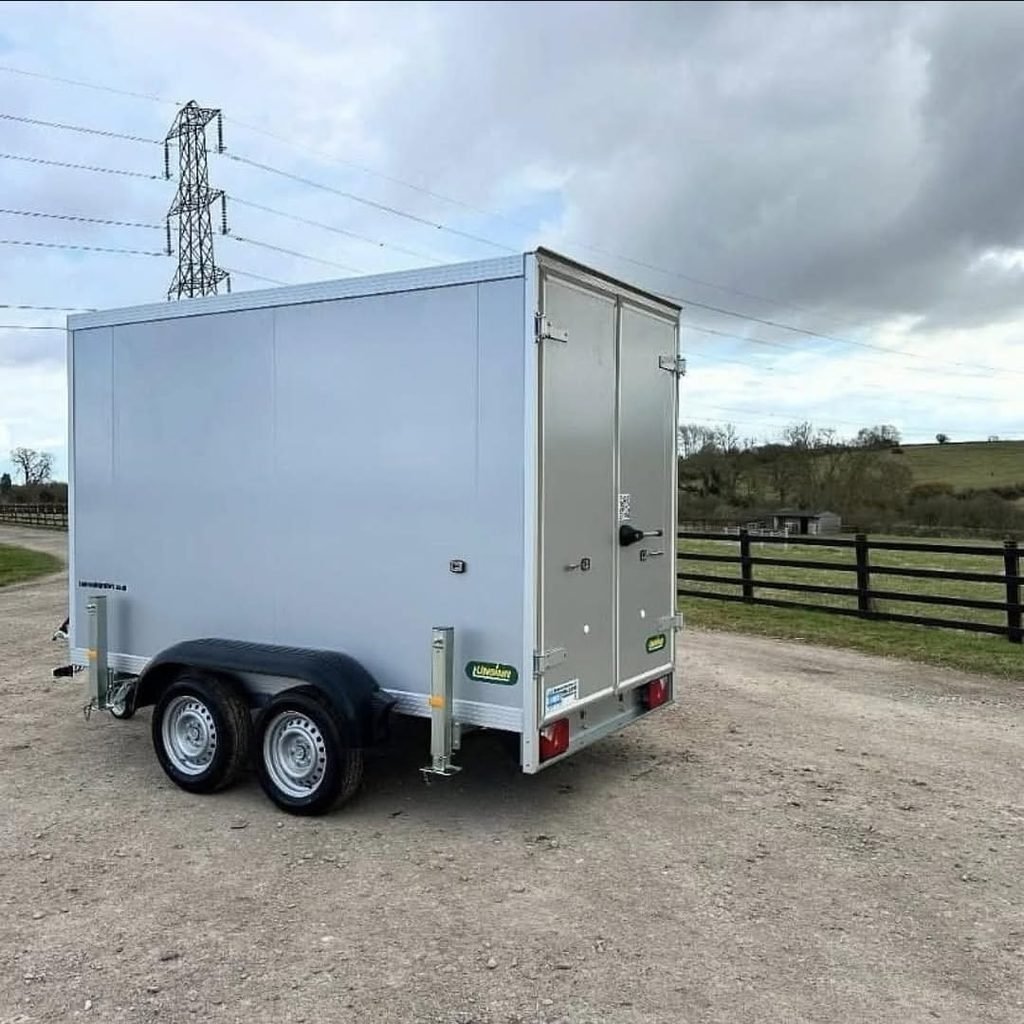
Refrigerated trailers, often called reefer trailers, are designed with insulation and refrigeration equipment intended to help maintain specified temperature conditions during transportation. Depending on the model, trailers may be suitable for different chilled, frozen, or temperature-sensitive applications.
Our selection may include refrigerated cargo trailers, insulated trailers, cold-storage trailers, and temperature-controlled trailers, depending on available inventory.
Before purchasing, carefully review the individual trailer’s refrigeration system, temperature range, interior dimensions, insulation specifications, power requirements, capacity, condition, and intended application.
Refrigerated Trailers for Sale,Shop Refrigerated Trailers Online
USA Trailer Depot makes it convenient to browse and compare available refrigerated trailers online.
Depending on inventory, our selection may include:
- Refrigerated Cargo Trailers
- Insulated Trailers
- Cold Storage Trailers
- Temperature-Controlled Trailers
- Reefer Trailers
- Refrigerated Food Trailers
- Commercial Refrigerated Trailers
Individual trailers can differ significantly in refrigeration capacity, insulation, dimensions, temperature range, power requirements, and operating configuration.
Always rely on the specifications provided for the specific product rather than assuming all refrigerated trailers have the same capabilities.
Refrigerated Cargo Trailers
Refrigerated cargo trailers are designed to provide a controlled environment for transporting temperature-sensitive cargo.
Potential applications may include:
- Chilled food
- Frozen food
- Produce
- Dairy products
- Meat and seafood
- Beverages
- Pharmaceuticals where the specific equipment is suitable
- Other temperature-sensitive products
The suitability of a trailer depends on the actual refrigeration system and the temperature requirements of the cargo.
Do not assume that a refrigerated trailer is automatically suitable for every temperature-sensitive product.
Reefer Trailers for Sale
The term reefer trailer is commonly used for refrigerated transportation equipment.
A reefer trailer can combine:
- Insulated walls
- Insulated floor
- Insulated roof
- Refrigeration unit
- Temperature controls
- Interior cargo space
- Door seals
- Temperature monitoring equipment, depending on the model
When shopping for a reefer trailer, review the individual product specifications carefully.
Important specifications may include:
- Refrigeration unit manufacturer
- Refrigeration system model
- Temperature range
- Interior dimensions
- Exterior dimensions
- Insulation type
- Refrigeration capacity
- Power requirements
- Fuel requirements, where applicable
- Operating hours
- Trailer GVWR
- Payload
- Axle configuration
- Door configuration
Insulated Trailers for Sale
Not every temperature-controlled trailer uses the same refrigeration configuration.
An insulated trailer may provide thermal protection without necessarily providing active refrigeration.
This distinction is important.
If your cargo requires a specific temperature to be actively maintained, verify that the trailer includes a suitable refrigeration system and that its documented operating range meets your requirements.
For products described as insulated trailers, carefully review the individual product specifications before purchasing.
Cold Storage Trailers
Cold storage trailers can provide mobile temperature-controlled or insulated storage space for appropriate applications.
Businesses may use refrigerated or insulated trailers for:
- Temporary cold storage
- Food storage
- Event operations
- Restaurant operations
- Catering
- Distribution
- Seasonal inventory
- Commercial storage
The actual storage temperature and operating capabilities vary between products.
Always confirm the manufacturer’s specifications before using a trailer for a particular product.
Temperature-Controlled Trailers
A temperature-controlled trailer is designed to help maintain specified temperature conditions within the cargo compartment.
Temperature control can be particularly important when transporting food that requires temperature control for safety.
The FDA’s sanitary transportation rule establishes requirements for covered food transportation operations, including requirements relating to vehicles and equipment being capable of maintaining temperatures necessary for the safe transportation of food.
For a refrigerated trailer intended for food transportation, customers should verify the applicable equipment, operating procedures, temperature requirements, sanitation requirements, and regulatory obligations for their particular operation.
How to Choose the Right Refrigerated Trailer
Choosing the right refrigerated trailer for sale requires more than checking the trailer’s exterior dimensions.
Consider the following.
1. Determine Your Required Temperature
Start by identifying the temperature range required for the products you intend to transport.
Different products can have different temperature requirements.
The trailer’s documented operating range should be appropriate for the intended application.
Never assume that a refrigerated trailer can maintain any particular temperature without verifying the manufacturer’s specifications.
2. Check the Refrigeration System
Review the refrigeration unit carefully.
Important information may include:
- Manufacturer
- Model
- Cooling capacity
- Temperature range
- Power source
- Fuel requirements
- Operating hours
- Maintenance history, where available
- Service requirements
- Control system
For used refrigerated equipment, condition and maintenance history can be particularly important.
3. Check Interior Dimensions
Review:
- Interior length
- Interior width
- Interior height
- Door opening dimensions
- Floor dimensions
- Available cargo space
Make sure your pallets, containers, boxes, racks, or other cargo can fit safely within the available space.
4. Consider Payload
The refrigeration equipment and insulation contribute to the trailer’s overall weight.
Compare the trailer’s empty weight with its GVWR and available payload.
Do not assume that a large refrigerated trailer necessarily provides a large payload capacity.
5. Check Insulation
The quality and condition of insulation can affect temperature-control performance.
For used refrigerated trailers, inspect the:
- Walls
- Roof
- Floor
- Doors
- Door seals
- Interior panels
- Exterior shell
Damage, gaps or deteriorated seals may affect the trailer’s ability to maintain its intended conditions.
Refrigerated Trailers for Food Transportation
Refrigerated trailers can be used in food transportation applications where the equipment and operating procedures are appropriate.
The FDA’s Sanitary Transportation of Human and Animal Food rule establishes requirements concerning vehicles, transportation equipment, temperature control, sanitation, transportation operations, training and records for covered food transportation activities.
For food that requires temperature control for safety, FDA guidance explains that refrigerated transportation equipment may need to be adequately prepared, including pre-cooling where necessary.
This means a trailer’s physical refrigeration equipment is only one part of a compliant food-transport operation.
Customers should determine the requirements applicable to their specific cargo and operation.
Refrigerated Trailers for Frozen Products
Frozen products can require different temperature conditions from chilled products.
Before buying a refrigerated trailer for frozen products, verify:
- Required product temperature
- Trailer operating range
- Refrigeration capacity
- Insulation
- Door sealing
- Temperature monitoring
- Loading configuration
- Expected ambient conditions
- Duration of transportation
Never advertise a trailer as suitable for frozen products unless its specifications support the claim.
Refrigerated Trailers for Produce
Refrigerated trailers can be used for certain produce transportation applications, but the required temperature and handling conditions depend on the particular product.
When evaluating a refrigerated trailer for produce, consider:
- Temperature requirements
- Air circulation
- Interior cleanliness
- Loading pattern
- Ventilation requirements
- Product packaging
- Refrigeration capacity
- Transportation duration
The FDA identifies temperature control, sanitation, loading practices, and transportation-unit maintenance as important considerations in food transportation.
Refrigerated Trailers for Commercial Businesses
Refrigerated trailers can be useful for businesses that need mobile temperature-controlled transportation or storage.
Potential users include:
- Food distributors
- Restaurants
- Caterers
- Grocery businesses
- Food wholesalers
- Produce businesses
- Meat distributors
- Seafood businesses
- Beverage companies
- Event businesses
- Cold-storage operators
The appropriate trailer depends on the business’s actual temperature, capacity, sanitation, power and transportation requirements.
Refrigerated Trailer Maintenance
Regular maintenance is important for refrigerated equipment.
Depending on the specific trailer and refrigeration system, maintenance may include inspection of:
- Refrigeration unit
- Engine or power source
- Temperature controls
- Door seals
- Insulation
- Electrical components
- Wiring
- Tires
- Brakes
- Axles
- Bearings
- Lights
- Trailer structure
Follow the trailer and refrigeration-unit manufacturer’s maintenance instructions.
For food transportation operations, FDA guidance also emphasizes sanitation, transportation-unit condition, temperature control and preventive maintenance.
Buy Refrigerated Trailers Online
USA Trailer Depot allows customers to buy refrigerated trailers online and compare available products before completing a purchase.
Before ordering, review:
- Refrigeration system
- Temperature range
- Interior dimensions
- Exterior dimensions
- Insulation
- Payload
- GVWR
- Axle configuration
- Tires
- Brakes
- Doors
- Door seals
- Power requirements
- Trailer condition
- Price
- Availability
- Shipping
- Warranty
- Returns
For specialized trailer transportation, shipping costs may depend on the trailer’s dimensions, weight, destination, carrier availability, and delivery requirements.
Refrigerated Trailer Shipping & Delivery
USA Trailer Depot provides delivery options based on the individual trailer and destination.
Shipping costs may depend on:
- Trailer dimensions
- Trailer weight
- Destination
- Residential or commercial delivery
- Carrier availability
- Special delivery requirements
Customers should review the applicable shipping information before placing an order.
Internal link:
Shipping & Delivery
Refrigerated Trailer Warranty
Warranty coverage varies by trailer, manufacturer, model, refrigeration equipment, components, and applicable written warranty.
For refrigerated equipment, pay particular attention to whether the warranty covers the trailer itself, refrigeration unit, components, or specific systems.
Customers should review the warranty associated with the individual product.
Internal link:
Warranty Policy
Refrigerated Trailer Returns
Before purchasing a refrigerated trailer, customers should review USA Trailer Depot’s Returns & Refunds Policy.
Return eligibility may depend on:
- Return timeframe
- Trailer condition
- Whether the trailer has been used
- Inspection
- Shipping requirements
- Applicable fees
- Product-specific restrictions
Internal link:
Returns & Refunds
Why Buy Refrigerated Trailers from USA Trailer Depot?
USA Trailer Depot provides an online shopping experience where customers can browse refrigerated trailer products and review available specifications before purchasing.
Customers can:
- Browse refrigerated trailers
- Compare specifications
- Review refrigeration information
- Compare available products
- Review pricing
- Check availability
- Review shipping information
- Review warranty information
- Review return requirements
- Review payment options
- Purchase online
Frequently Asked Questions
What is a refrigerated trailer?
A refrigerated trailer is a trailer equipped with insulation and, depending on the model, a refrigeration system designed to help maintain specified temperature conditions.
What is a reefer trailer?
“Reefer trailer” is a commonly used term for a refrigerated trailer used for temperature-controlled transportation.
What can refrigerated trailers transport?
Depending on the specific equipment, refrigerated trailers may be used for products such as chilled or frozen food and other temperature-sensitive cargo.
Always verify that the specific trailer is suitable for your intended cargo.
What temperature can a refrigerated trailer maintain?
The temperature range varies by refrigeration system and trailer. Always check the manufacturer’s specifications for the individual product.
Are refrigerated trailers suitable for frozen food?
Some are, but suitability depends on the refrigeration system, temperature range, insulation, operating conditions and intended cargo. Check the individual product specifications.
What is the difference between an insulated trailer and a refrigerated trailer?
An insulated trailer primarily provides thermal insulation, while a refrigerated trailer generally includes active refrigeration equipment. Some trailers may combine both.
Do refrigerated trailers need electricity?
Power requirements vary by refrigeration system. Some systems may use fuel-powered refrigeration units, electrical power, or other configurations. Check the specific product specifications.
Can I buy a refrigerated trailer online?
Yes. USA Trailer Depot allows customers to browse available refrigerated trailers online and review product specifications, pricing, shipping, warranty and return information.
What should I check when buying a used refrigerated trailer?
Check the refrigeration unit, operating hours where available, maintenance history, temperature controls, insulation, door seals, floor, walls, roof, tires, brakes, axles and overall trailer condition.
Can refrigerated trailers be used for food transportation?
They can be used for appropriate food transportation applications, but the equipment and transportation operation must meet applicable requirements. FDA rules address sanitary transportation and temperature control for covered food transportation operations.
Do I need to pre-cool a refrigerated trailer?
For covered food transportation involving food that requires temperature control for safety, applicable FDA requirements can include preparing and pre-cooling mechanically refrigerated compartments as appropriate to the shipment.
How are refrigerated trailers delivered?
Delivery depends on the individual trailer and destination. Specialized trailer transportation may be used depending on the product.
Explore More Trailer Categories
Create internal links to:
- Utility Trailers
- Cargo & Box Trailers
- Car Transporters
- Flatbed Trailers
- Tipper Trailers
- Boat Trailers
- Motorcycle Trailers
- Livestock Trailers
- Refrigerated Trailers
- Food Trailers
- Camping & Travel Trailers
- Heavy-Duty Trailers
- Special-Purpose Trailers
CTA
Find the Right Refrigerated Trailer
Browse available refrigerated trailers for sale and compare temperature-control capabilities, dimensions, features, pricing, shipping, warranty and purchase options.
Shop Refrigerated Trailers →